
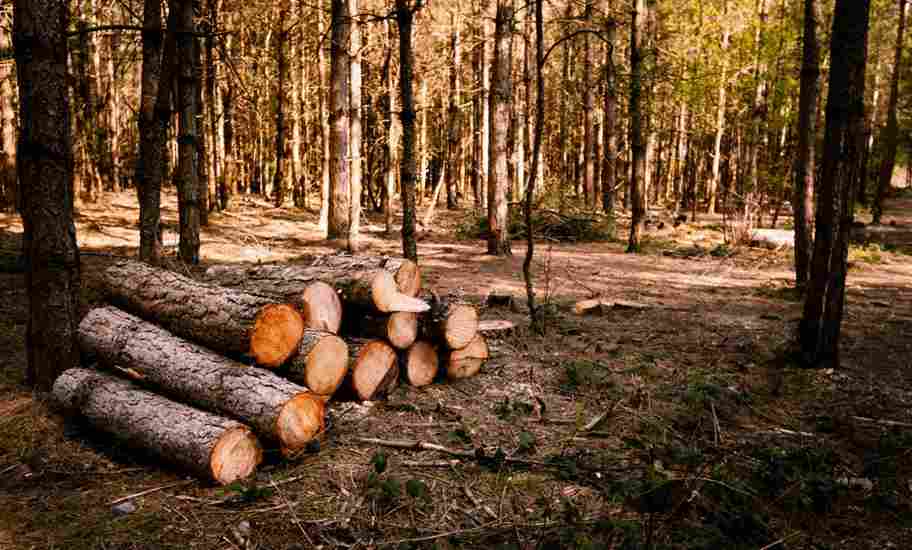
As the demand for wood products persists, the importance of sustainable logging practices becomes increasingly evident to maintain forest health. Studies show that deforestation and poor logging methods contribute to about 15% of global carbon emissions, making sustainable practices not only beneficial for ecosystems but imperative for climate health. In this article, we explore how integrating these practices can help support our forests as thriving, renewable resources.
Forest health is pivotal for biodiversity, climate stability, and human well-being. While logging is often associated with environmental degradation, when done sustainably, it can actually enhance forest vitality. Below, we delve into the best practices in sustainable logging and the ways in which they preserve not only the forests themselves but also the countless species and communities that depend on them.
Contents
Sustainable Logging Practices Defined and Their Role in Forest Health
Sustainable logging is the practice of extracting timber in a way that maintains the forest’s biodiversity, productivity, and ecological processes. By employing methods that reduce damage to vegetation and soil, forests can regenerate over time, ensuring that their environmental services continue unabated.
These practices involve carefully planned cutting cycles that prevent over-harvesting, selective logging to preserve a diverse tree population, and restricted use of heavy machinery to minimise soil compaction and erosion. The long-term goal is to maintain a balanced forest composition that’s resilient to natural disturbances and human impact.
To implement sustainable logging effectively, forestry managers must be trained in low-impact techniques and regularly update their methods to adapt to new environmental research findings. Consuming entities and individuals can aid this effort by demanding timber sourced from sustainably-managed forests, thereby incentivising adherence to ethical practices. Brands offers valuable insights into sustainable forestry practices.
Balancing Timber Harvest with Ecosystem Preservation
Striking the right balance between timber harvest and ecosystem preservation is a nuanced task requiring comprehensive planning and management. It ensures that while the forest provides for economic needs, it does not compromise its ecological functions.
One successful approach is creating a forest management plan that includes set-asides for conservation and harvest zones based on ecological sensitivity and species habitat needs. This method, often verified by third-party certifications such as the Forest Stewardship Council, fosters transparency and trust among consumers. Forest Stewardship Council standards are an example of such balancing at work on a global scale.
Additionally, active reforestation and afforestation efforts can supplement natural regeneration, further securing the health of the forest in the face of increased logging activities. Community engagement is equally important, as local knowledge and participation can significantly enhance sustainable management strategies.
Techniques and Tools for Responsible Logging
Several specific techniques and tools have been developed to execute logging responsibly. These include directional felling to minimise damage to surrounding trees and using harvesting equipment that reduces soil disruption.
Drones and GPS technology now allow for precise mapping and monitoring of harvested areas, which aids in the planning and execution of sustainable logging operations. Moreover, employing low-ground-pressure machinery and establishing permanent road systems within forests significantly reduces environmental impacts.
Education is also a potent tool in responsible logging. Logging companies should invest in continuous training and certification for workers, ensuring that they carry out the best practices with the utmost care for the long-term health of the forests they navigate. Relevant research is continually offering new insights that can be incorporated into such training programs.
Monitoring and Adapting Sustainable Logging for Long-Term Forest Vitality
The final piece of sustainable logging is a robust system for monitoring and adaptation. Forest health indicators, such as species diversity, soil erosion rates, and water quality, need ongoing assessment to ensure the sustainability of logging practices.
Adaptive management strategies, which involve reviewing and adjusting approaches as new information becomes available, are crucial for responding to changing forest dynamics. Data from satellite imagery, for example, can provide a detailed understanding of forest cover changes post-logging and guide future decisions.
Stakeholder collaboration among governments, NGOs, and local communities further strengthens the ability to monitor and adapt practices. By working together, they can identify issues quickly, propose viable solutions, and share successful methodologies for sustainable forest management across different regions and contexts.
Ultimately, sustainable logging holds the promise of a win-win for both our forests and industries reliant on timber. When executed with care and foresight, these practices allow us to meet today’s resource needs without compromising the health and availability of these vital ecosystems for future generations. The key lies in continuous commitment and improvement of sustainable techniques in every aspect of forest management.