
If you’ve been thinking about treating hair loss, FUE might already be on your radar. This popular method appeals to many people because it doesn’t leave a linear scar and usually requires less recovery time.
Still, knowing what to expect can make the process more manageable and less intimidating. Read on to understand how the procedure works from start to finish and how it might benefit you.
Contents
- 1 Understanding FUE: What Makes It Different?
- 2 Preparation Before the Procedure
- 3 Extracting the Hair Follicles
- 4 Preserving the Harvested Grafts
- 5 Creating the Recipient Sites
- 6 Implanting the Hair Grafts
- 7 Immediate Post-Surgery Care
- 8 Aftercare and Recovery
- 9 Shedding and Regrowth: What to Expect
- 10 Results That Last
- 11 Choosing a Qualified Clinic
- 12 Final Remarks
Understanding FUE: What Makes It Different?
Follicular Unit Extraction (FUE) is a minimally invasive hair transplant method. Rather than removing a strip of skin, FUE involves extracting individual hair follicles directly from the donor site.
This precise technique allows for less visible scarring and a quicker return to normal activities.
It’s a technique that suits people who prefer short hairstyles, have limited downtime, or want a more discreet outcome.
If you’re considering FUE hair transplant surgery, understanding how it works can help you make a more confident decision.
Preparation Before the Procedure
On the day of your procedure, your scalp will be cleaned and the donor area shaved. This makes it easier for the surgeon to see and extract hair follicles precisely.
You’ll be given a local anaesthetic, so that you’ll remain awake but won’t feel pain during the procedure.
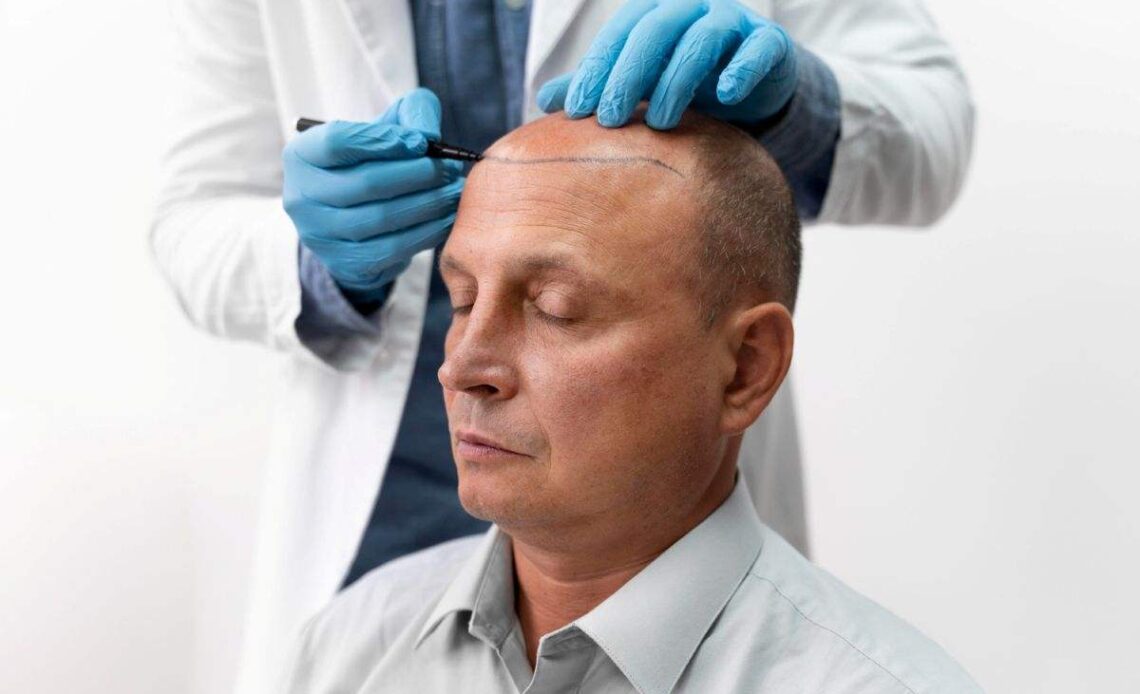
Before starting, your surgeon will also discuss your hairline design and confirm the areas that need filling. This planning stage is crucial for achieving a natural outcome.
Extracting the Hair Follicles
This is the part that sets FUE hair transplant surgery apart from other methods. Instead of removing a strip of skin, your surgeon uses a small punch tool to extract individual hair follicles directly from the donor area, usually at the back or sides of your head.
Each follicle is carefully removed to avoid damage. The process can take several hours, depending on how many grafts are needed. Most clinics perform between 1,000 and 4,000 grafts per session, depending on the extent of hair loss.
Preserving the Harvested Grafts
As the follicles are removed, they’re placed into a special solution to keep them hydrated and healthy. This is a key part of the process, as preserving the viability of the grafts improves their survival once transplanted.
Technicians may sort the follicles by size or number of hairs per graft. This helps the surgeon plan where to place them for the best visual effect, single hairs near the front and denser grafts further back.
Creating the Recipient Sites
Once enough follicles are collected, the next step is creating tiny incisions where the new hairs will be implanted.
These cuts must follow the natural direction and angle of your existing hair, which requires a skilled and steady hand.
This stage plays a big part in how realistic your final results will look. If done correctly, the new hairs will blend in seamlessly.
Implanting the Hair Grafts
After the extracted follicles are placed into the prepared incisions, each graft is inserted one by one using forceps or specialised tools. Precision here matters.
If follicles are placed too close together or at the wrong angle, the results can appear uneven or unnatural.
Clinics often use microsurgical techniques to reduce trauma and help the new follicles survive and grow. The goal is long-term success with minimal scarring.
Immediate Post-Surgery Care
After the final graft is placed, your scalp may be bandaged lightly. You’ll be given detailed aftercare instructions to prevent infection and promote healing.
Swelling, slight discomfort, and minor scabbing are expected within the first few days.
Avoiding strenuous activity, sun exposure, and touching the grafts is vital in the early stages. Clinics typically provide saline sprays and gentle shampoo routines to help you care for the area properly.
Aftercare and Recovery
Once the procedure is over, your scalp may feel sore or tight. You’ll receive instructions for washing your hair and avoiding certain activities for a few days.
Most patients return to work in about 3 to 5 days, depending on their job.
Shedding and Regrowth: What to Expect
About 2 to 3 weeks after surgery, the newly implanted hairs will often fall out. This is normal and part of the cycle.
It clears the way for new growth to begin from the follicles, which should start producing visible hair by month three or four.
Most patients see their best results between 9 and 12 months after surgery. By then, the new hairs should blend well with the rest of your hair, both in texture and direction.
Results That Last
One of the biggest advantages of FUE is that the transplanted hairs are usually resistant to the hormone responsible for pattern baldness.
That means the results are intended to be long-term.
However, the surrounding areas of your scalp may still thin naturally over time. That’s why some people choose follow-up sessions or combine the procedure with hair loss medications to maintain density and coverage.
Choosing a Qualified Clinic
Success with FUE depends heavily on the clinic and the team behind it. Look for a practice with strong before-and-after examples, client testimonials, and a clear consultation process.
Ask who performs the surgery, not just supervises it, and confirm whether the grafts are handled by trained technicians.
Transparency, safety standards, and individualised planning should all be non-negotiables when making your decision.
Final Remarks
Understanding what happens during FUE helps you prepare mentally and physically. It also makes it easier to ask the right questions at your consultation and know what to look for when choosing a clinic. If you’re planning your next step, being informed can make all the difference to your confidence and your results.