
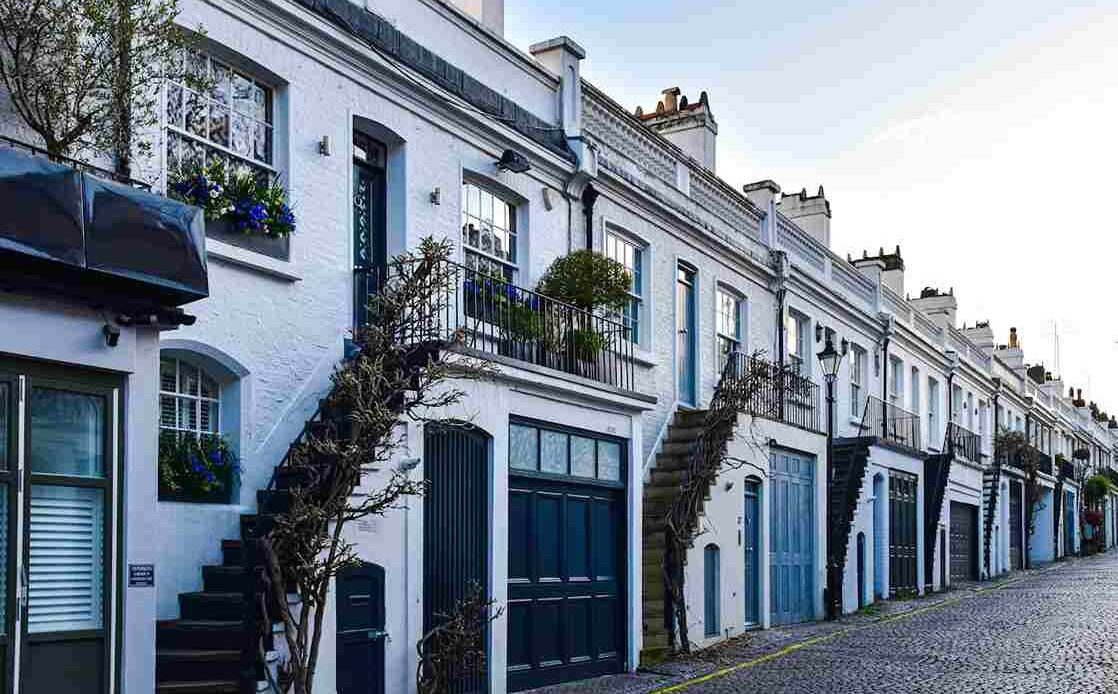
Living in a London flat steeped in Georgian or Victorian heritage is a dream for many luxury buyers. These properties blend timeless character with a typically central location.
Yet beneath that charm lie unique challenges, such as navigating heritage rules, managing high renovation costs and working within strict preservation constraints.
Here’s what it truly takes to transform one of these historic treasures into a modern, luxurious home.
Contents
- 1 Understanding Historic Building Regulations in London
- 2 Navigating Design and Heritage Constraints
- 3 The Real Cost — Budgeting for a Luxury Renovation
- 4 Sourcing Materials and Skilled Professionals
- 5 Sustainability and Modern Comforts in Heritage Flats
- 6 Is Your Historic London Flat Renovation Worth It?
Understanding Historic Building Regulations in London
In England, historic properties are typically listed as Grade I, II* or II. Almost 92% of listed properties are Grade II — this grade identifies buildings of special interest and is the one most likely to affect property buyers. There are estimated to be thousands of such properties in Greater London.
You must obtain listed building consent before making any changes — interior or exterior — to a listed building that may change its character. Carrying out work without the required consent is a criminal offence. Depending on the renovations you have in mind, you may also need ordinary planning permission.
Even if your building is not listed, it may be in a conservation area. There are over 1000 designated conservation zones in Greater London, with over 500 in central London. In Kensington and Chelsea — one of London’s most desirable residential areas — at least 70% of homes are within conservation zones.
To renovate a flat in a conservation area, you may have to comply with Article 4 Directions. These typically apply only to the exterior of the building, but they do mean that you may need permission to do things that wouldn’t require permission elsewhere, such as replacing windows or installing satellite dishes.
Obtaining listed building consent and other permissions is not always straightforward and can be a lengthy process. Consider engaging a professional to assist you with this.
Striking a balance between grand modern living and architectural preservation is vital. Some things will probably have to stay, whether you like them or not, such as period cornices, timber sash windows and original fireplaces.
However, modernisations like secondary glazing, breathable insulation, discreet smart tech and underfloor heating may be permissible but must be done sensitively to complement the rest of the building.
This may be limiting, depending on your style and tastes, but as the custodian of this heritage apartment, it falls to you to modernise it responsibly. Conservation officers and heritage architects are experts in this field, so turn to them for advice and guidance.
There are plenty of ways to inject your personality and style, even in a listed or historic flat. For example, you could use warm whites and pale pastels in your colour scheme to better reflect light, brightening your heritage space without compromising its elegance.
The Real Cost — Budgeting for a Luxury Renovation
Period renovation involves the normal renovation costs that you would face anywhere, plus additional expert fees, higher materials costs and expensive specialist craftsmanship.
There may also be hidden or surprise costs, such as having to resolve access problems or discovering an unexpected structural flaw.
In 2020, one renovation expert estimated a figure of approximately £1,800 to £3,900 per square metre for a mid- to high-end renovation of a historic London property.
For a flat of around 120 square metres, that would have added up to between £210,000 and £468,000. With costs rising all the time, the current figure is now likely to be substantially higher.
Sourcing Materials and Skilled Professionals
To successfully renovate a flat in a historic London building, you will need to assemble a specialist build team.
Depending on the work you are planning, that may involve conservation architects, heritage planners, structural engineers and contractors skilled in traditional techniques.
To comply with listed building consent and any other permissions, you will likely need to use high-quality, authentic materials, such as reclaimed flooring. Choose contractors who are familiar with historic buildings and understand how to best preserve them.
For example, when restoring original wooden floors or panelling, random orbital sanders have a finer sanding pattern that is less likely to leave repetitive marks or damage the wood.
Look for contractors skilled in handling period plasterwork, authentic joinery or limewash finishes.
Sustainability and Modern Comforts in Heritage Flats
Sustainability is now a key consideration for London’s luxury homeowners, mirroring city-wide trends.
In London’s sustainable dining scene, for example, many eateries are prioritising innovative zero-waste strategies, reflecting a broader commitment to eco-friendly living in the capital.
The good news is that eco-luxury and vintage elegance can coexist. Depending on the relevant permissions, you might install discreet solar panels, ground-source heat pumps or airtight secondary glazing.
Integrating these technologies into a period property requires a delicate touch. Hire a professional installer who is accredited for energy-saving solutions and has proven experience working within the constraints of listed buildings or conservation areas.
With the right advice, materials and contractors, you may be able to retrofit double glazing and underfloor heating in a Victorian flat while retaining original cornicing and flooring, for example.
However, each historic flat is unique, so you will need expert insight on the specific property.
Is Your Historic London Flat Renovation Worth It?
Renovating a historic London flat is a high-stakes, high-reward endeavour. It’s costly, complex and time-consuming, but if you get it right, you will have a living space of incomparable charm, with all the benefits of London on your doorstep and a huge uplift in the value of your property.
Careful planning, expert guidance and realistic budgeting are essential. However, for those who treasure heritage and luxury in equal measure, the payoff can be extraordinary. Go for it, but be prepared for a marathon, not a sprint.