
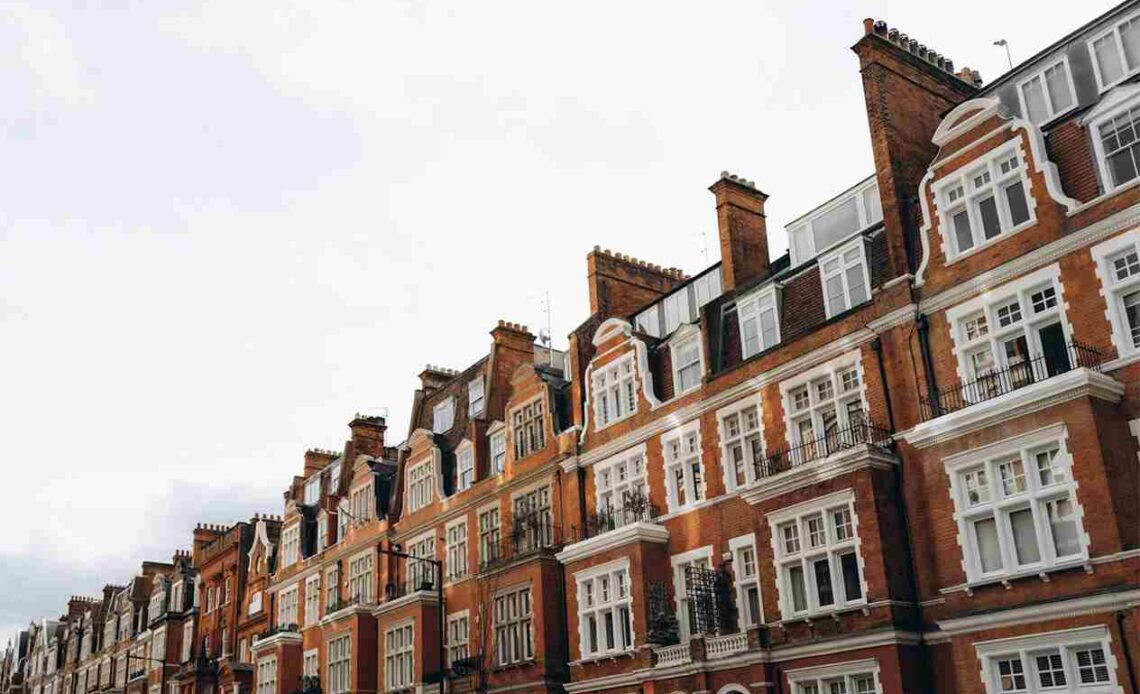
With their ornate features and high ceilings, Victorian terraces remain some of London’s most desirable homes. But behind the character lies a host of potential problems that often come to light during a survey.
These properties were built in an era without today’s standards, and many have been altered over time, some well, others poorly. If you’re considering one, a thorough check is essential to avoid costly surprises.
Keep reading to know what could be lurking behind that period charm and how to protect your investment.
Contents
Damp and Timber Decay
Many Victorian terraces lack an effective damp-proof course. Over time, this leads to rising damp, particularly in ground-floor walls. Surveyors often flag signs like bubbling plaster, damp patches, or a musty smell.
Timber decay is another red flag. Where damp is present, floor joists and skirting boards can rot. If woodworm or fungal infestations are also present, repairs may become extensive and expensive.
This is a common highlight in a London home buyers survey, especially when targeting older housing stock.
Roof and Chimney Problems
Original slate roofs often remain in place, but not always in good condition. Slipped slates, deteriorating flashings, or poor patch repairs can cause leaks.
Chimney stacks, which are exposed to the elements, tend to suffer from crumbling mortar or leaning due to structural movement.
Surveyors may advise specialist checks if issues are found. The older the roof, the more likely replacement or reinforcement will be recommended.
Movement and Cracking
Victorian properties are often built on London clay, which shrinks and swells with weather changes. This can cause structural movement over decades.
Surveyors pay close attention to cracks around doors, windows, and extensions, which may suggest settlement or subsidence.
While some hairline cracks are expected in older homes, wider or jagged ones might point to deeper problems. In such cases, a Level 3 Building Survey or a structural engineer’s report is typically recommended.

Old Electrics and Plumbing
Many Victorian terraces still operate on dated wiring or lead pipework. These don’t meet modern safety standards and pose a risk, especially for young families or landlords renting out properties.
A standard survey won’t test electrics or plumbing, but it will flag outdated fuse boxes, exposed wiring, or corroded pipework. A qualified electrician or plumber will need to carry out further checks if anything looks concerning.
Poor Insulation and Ventilation
Single-glazed sash windows and solid walls without cavities lead to significant heat loss. In addition, many older terraces have had alterations that reduce airflow, increasing the chance of condensation and mould.
Surveyors might recommend upgrading insulation, improving ventilation, or restoring airflow through chimney flues and air bricks. Energy efficiency isn’t fully assessed in a standard Level 2 survey, but major issues are still noted.
Spotting Issues Early Saves Money Later
Victorian terraces offer a slice of London’s past, but they often come with unexpected costs. Surveys don’t just highlight what’s wrong; they help you plan. Knowing what to expect lets you budget for repairs or even renegotiate your offer.
Before falling for stained glass and cornicing, get a proper survey done and take its findings seriously. You’ll be glad you did when the charm isn’t masking a costly fix.
Conclusion:
Victorian London terraces exude charm and character, but they can conceal significant structural and maintenance issues. From damp and timber decay to outdated electrics and poor insulation, these properties demand thorough inspection before purchase.
A professional survey can reveal hidden problems early, helping buyers make informed decisions, budget wisely, and avoid unpleasant surprises. Investing in a proper assessment ensures that the beauty of a period home doesn’t come at an unexpected cost.