
For many people, high cholesterol is something they associate with an unhealthy diet or getting older. The reality is less obvious: high cholesterol often causes no symptoms at all, meaning someone can feel perfectly well while their cholesterol is increasing their long-term risk of heart disease and stroke.
Now, the NHS is expanding access to quick cholesterol checks in high-street pharmacies in England, giving eligible people another way to find out their numbers without having to wait for a traditional GP appointment.
What’s actually true about the new cholesterol test?
Around 100 NHS pharmacies in England are due to begin offering the new checks this autumn. The service is aimed at people aged 40 to 84 who are not pregnant and have not had a blood test during the previous year.
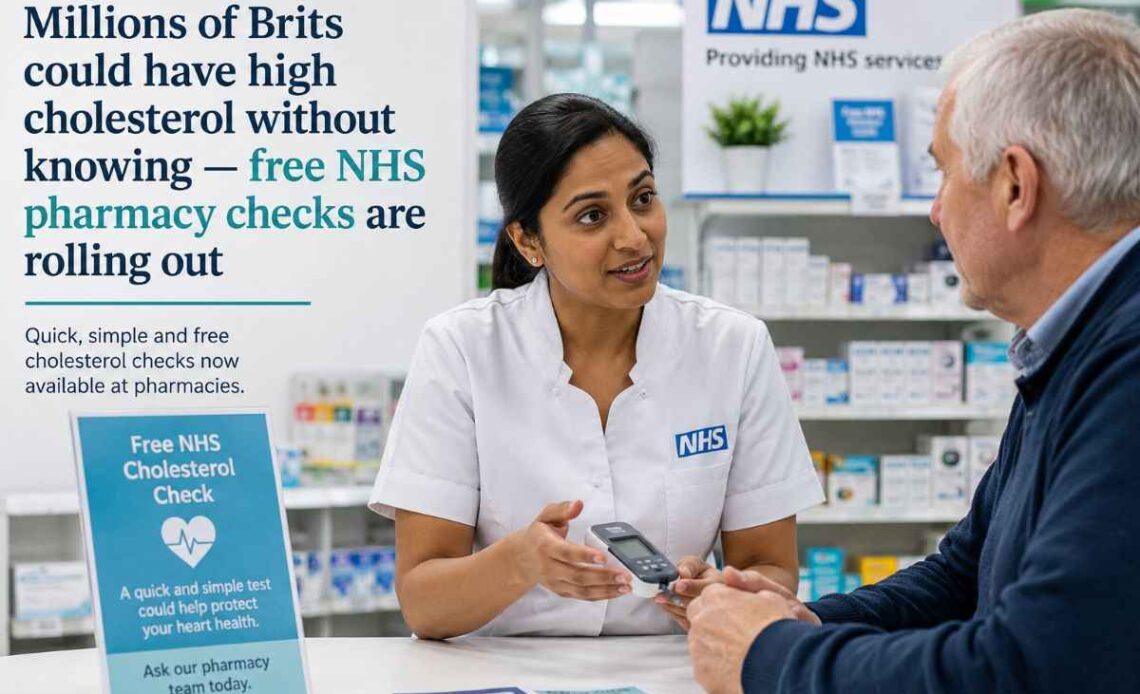
The test uses a small finger-prick blood sample and can analyse a person’s cholesterol profile in about seven minutes. A pharmacist prescriber can then discuss the result, provide lifestyle advice and decide whether further assessment or treatment is appropriate. A blood pressure check will also form part of the consultation.
The programme follows a smaller north London pilot involving 61 community pharmacies. Between January 2025 and March 2026, 2,493 people were tested, with NHS England reporting that 19% were considered suitable for medication and 88 people started statins.
That does not mean everyone with a raised cholesterol result will need medication. Cholesterol is assessed alongside factors such as age, blood pressure, existing medical conditions and overall cardiovascular risk.
Why can high cholesterol be dangerous without warning?
This is where the headline needs some context.
High cholesterol is not normally a condition that produces obvious warning symptoms. Excess cholesterol, particularly LDL or “bad” cholesterol, can contribute to fatty deposits building up inside arteries. Over time, this can increase the risk of cardiovascular problems, including heart attacks and strokes.
Government health data shows that raised cholesterol is common among adults in England. However, there is an important distinction between having raised cholesterol and having undiagnosed high cholesterol. The available figures do not support simply saying that a specific number of millions currently have dangerous cholesterol without knowing it.
That distinction matters because a cholesterol result is only one part of the overall risk assessment.
Does a normal weight or healthy lifestyle guarantee low cholesterol?
No.
One of the most common misconceptions is that only people who are overweight, eat poorly or do little exercise need to worry about cholesterol. Lifestyle can certainly affect cholesterol levels, but genetics, age and other health factors also play a role.
Familial hypercholesterolaemia (FH), for example, is an inherited condition that can cause very high levels of LDL cholesterol. It can affect people who otherwise appear healthy, which is one reason testing and family history can be important.
Another misconception is that a high cholesterol result automatically means someone needs statins. Treatment decisions are based on the individual’s overall cardiovascular risk and clinical circumstances, rather than one number in isolation.
What should you do if you’re worried?
If you live in England and are aged 40 to 84, check whether a participating pharmacy near you is offering the new NHS service as the rollout progresses. Availability will depend on local participation, so people should not assume every high-street pharmacy is providing the test immediately.
There is also an existing NHS Health Check for eligible adults aged 40 to 74 without certain pre-existing conditions. It normally includes cholesterol and blood pressure checks and assesses the person’s wider cardiovascular risk.
If you already have a medical condition, take cholesterol-lowering medication, or have previously been told that your cholesterol is high, speak to your GP or healthcare team rather than relying on a new screening service to manage your condition.
The bottom line
The new pharmacy programme is less about finding a “deadly” condition and more about finding a silent risk factor early.
A quick cholesterol check cannot predict exactly whether someone will have a heart attack or stroke. What it can do is reveal a potentially important risk factor and allow healthcare professionals to assess it, explain the result and recommend appropriate next steps.