
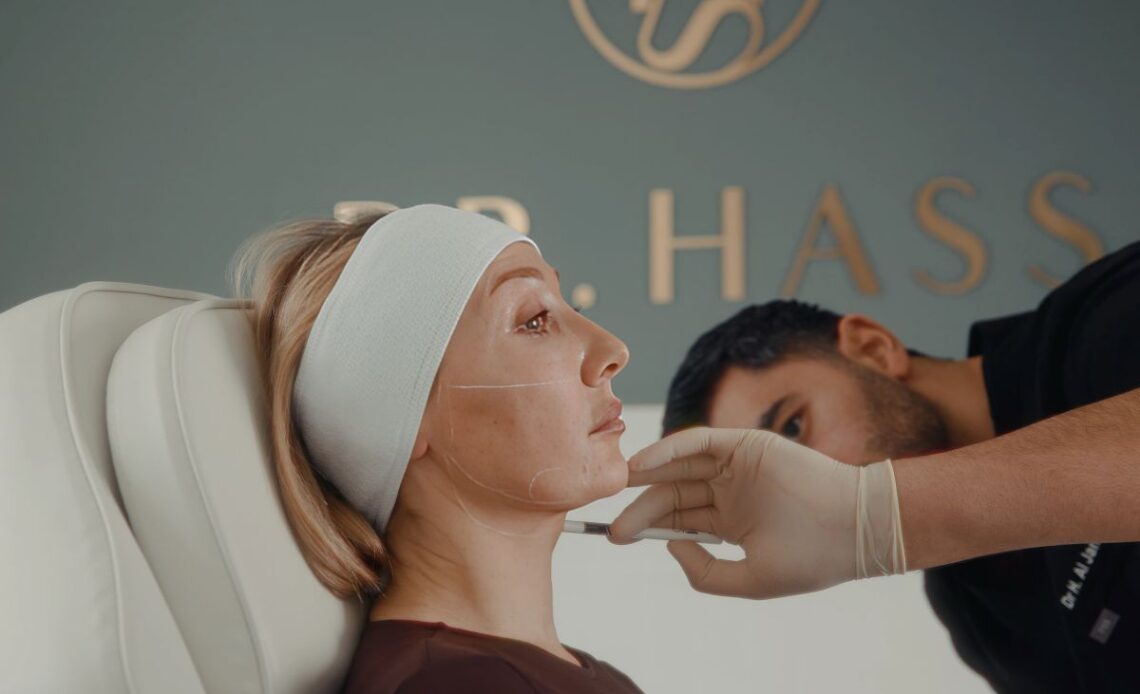
Most skin tightening devices are, within reason, interchangeable between clinics. The machine does roughly the same thing regardless of who is holding it. Endolift is a meaningful exception to that rule, and understanding why says something useful about how London’s more discerning clientele chooses where to have it done.
Working from beneath, not on top
Endolift, delivered through a hair-thin laser fibre, is inserted beneath the skin under local anaesthetic at a handful of clinics across the capital, delivering controlled heat that tightens tissue and stimulates new collagen from underneath, rather than treating the surface. The LASEmaR® 1500 laser system targets the jawline, jowls, neck and under-eye area over a session lasting 60 to 90 minutes. Most patients return to normal activity within a day or two, and results build gradually over several months as new collagen develops, typically lasting two to three years.
Why the hand matters more than the device
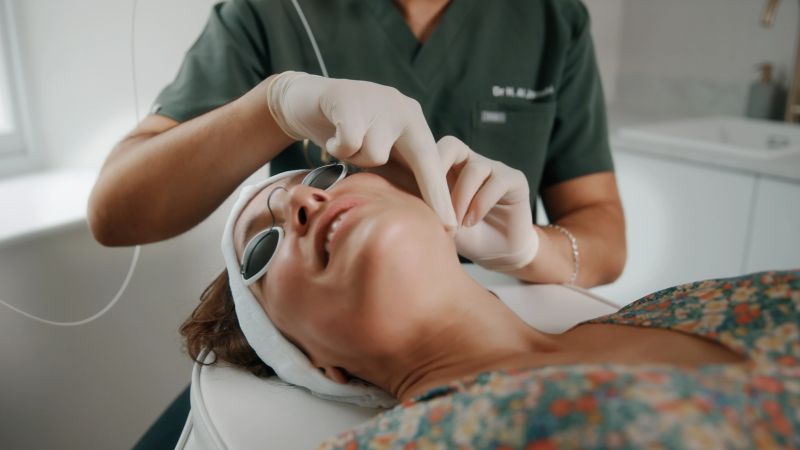
Because the laser fibre works beneath the skin rather than on its surface, the practitioner cannot see the tissue they are treating the way they would with a visible injection or surface laser. Placement, depth and angle all depend on a working understanding of the layers beneath the skin being treated, which makes this closer to a surgical skill applied through a non-surgical tool than a simple device-operating procedure.
“This isn’t a treatment where you can follow a manufacturer’s manual and expect consistent results,” says Dr Hasaneen Al Janabi, the GMC-registered surgeon and Royal College of Surgeons member who performs the treatment personally. He is also an Endolift trainer, teaching the technique to other practitioners, a detail worth noting given how directly training variance across clinics maps onto variance in results.
What it can and cannot replace
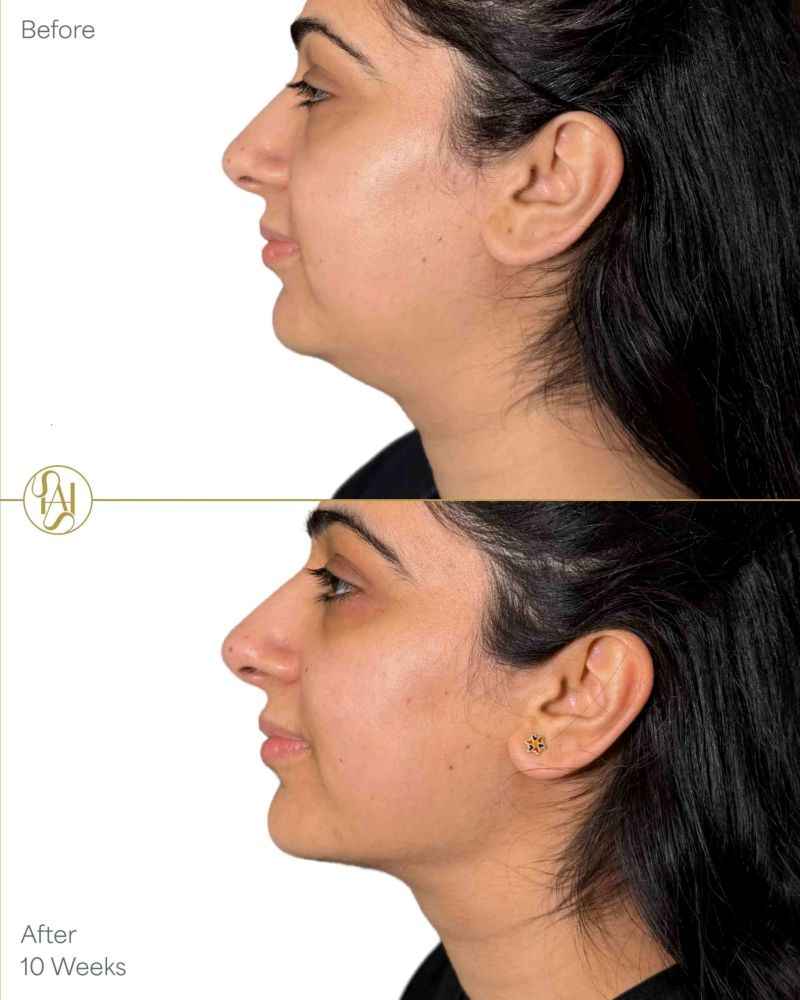
Endolift is not positioned as a facelift substitute for everyone. More significant skin laxity still requires surgical correction, and clinics that oversell the technique as a universal alternative to surgery are generally not the ones being careful about patient selection. For the growing group of patients in the middle ground, not ready for surgery but finding fillers insufficient, it fills a specific and genuine gap rather than being presented as a cure-all.
What is actually happening in the tissue
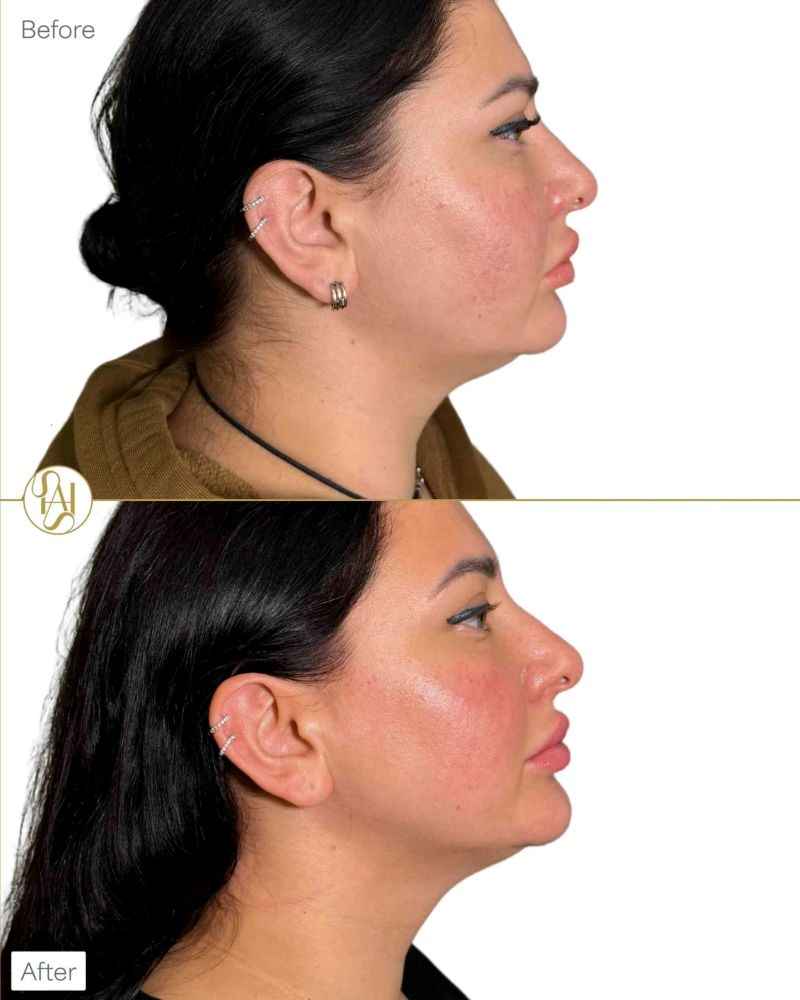
The laser delivers energy that produces a two-stage response: immediate tightening as existing collagen fibres contract under heat, followed by a slower rebuilding phase over the following months as the body lays down new collagen in response to controlled thermal injury. This is why results are visible early but continue improving for some time afterwards, distinct from surgical facelifts where the outcome is largely fixed once healing completes.
The practical upshot is that patience matters here in a way it doesn’t with more instant treatments. Someone expecting the full effect within days will likely be unimpressed at the two-week mark, even though the treatment is working exactly as intended. The patients who report being happiest with Endolift tend to be the ones who understood, going in, that they were buying a gradual improvement rather than an overnight transformation.
Frequently asked questions
Is Endolift painful?
Treatment is performed under local anaesthetic, so most patients describe pressure or warmth rather than pain during the session itself.
How is Endolift different from a facelift?
A facelift surgically repositions tissue. Endolift works beneath the skin with heat to tighten existing tissue and encourage new collagen, with no incisions and a fraction of the downtime, though it suits different degrees of laxity.
How do I know if a clinic is genuinely experienced in Endolift?
Ask directly who performs the treatment, how much experience they have specifically with Endolift rather than aesthetics generally, and whether they personally carry out the procedure or delegate it.
The technology itself is reasonably consistent across clinics offering it properly. What varies is training, and training is difficult to verify from a website alone. Mayfair practices like Dr Hass Clinic treat that question as central rather than incidental to every consultation.