

Installing a durable roof yourself is possible with the right materials and guidance. Whether you’re upgrading a shed, extension, or garden room, using strong roofing ensures your project lasts through harsh weather.
The process requires care, planning, and a few key tools, but the results can be well worth the effort. Read on for steps to take control of your home upgrades.
Contents
Plan Your Roofing Materials and Tools
Every good DIY project starts with planning. Choose materials based on your structure and local conditions. Metal sheets, asphalt shingles, and polycarbonate panels are popular for their strength and long life.
If you’re working on a conservatory or outbuilding, 10mm polycarbonate roofing may be the right choice. It’s lightweight, UV-resistant, and easy to handle.
Next, measure the area and gather your supplies, such as a tape measure, hammer, utility knife, ladder, roofing nails or screws, safety gear, and sealant. Planning saves time and helps prevent costly mistakes later.
Remove the Old Roofing
Start by stripping off any old materials down to the wooden sheathing. Be careful around nails and rough edges. If you see rotting or soft spots, replace the damaged boards before continuing. The base needs to be solid for the new roof to sit properly.
Install a Waterproof Underlay
Laying a waterproof membrane is essential. It protects your building from moisture seeping through the top layer. Start from the lower edge and roll it out upwards, overlapping by at least 10cm. Use nails or staples to keep it flat and secure.
Fit the Flashing Around Edges and Joints
Water loves to find weak points. That’s why metal flashing is used around roof edges, corners, and chimneys or skylights.
Install drip edges along the sides and bottom to channel rain away from the structure. Take your time here. Even the smallest gap can lead to leaks over time.
Begin Installing Roofing Material
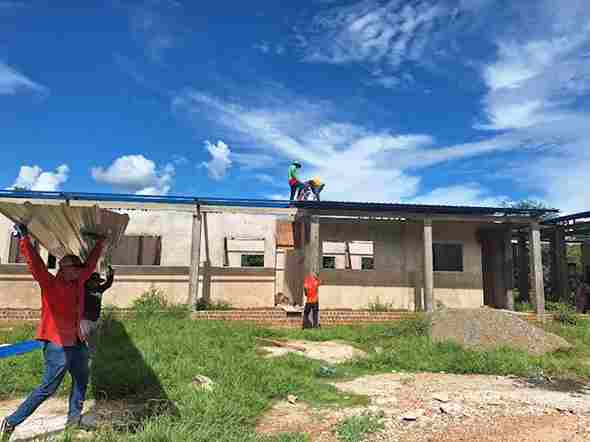
Now for the main job, which is installing the roofing material. During this phase, it’s best to work from the bottom up. If you’re using shingles, each row should overlap the one below.
Nail them in firmly, following spacing guidance. With metal or polycarbonate panels, pre-drill holes and fix with rubber-washer screws to prevent cracking or loosening.
Always leave a slight gap between sheets for expansion. In cold climates, roofing materials shrink and expand more often, so spacing is important.
Seal the Roof Ridge
The top ridge is where two slopes meet. Use a ridge cap or flashing piece here to stop water from blowing in. Make sure it overlaps both sides evenly.
This step also helps strengthen the roof against strong wind gusts. Use extra sealant here if your property is in an exposed area.
Inspect and Waterproof
Walk around the roof slowly, checking for loose nails or lifted sections. Apply roofing sealant to all joints, screw heads, and flashing edges.
Spray water gently from a hose to check for leaks. This inspection is key. A missed crack now could cost you more later.
Conclusion
A solid roof protects everything beneath it. By using strong materials and following simple steps, you can add real value to your DIY renovation. Stick to the plan, take your time, and trust your tools.