
Are you starting your indoor gardening? Or, are you an experienced gardener still looking for great ideas?
If so, then you’re in the right place, as this guide covers all the essential indoor gardening tips.
The right indoor gardening strategies enable you to grow some particular plant species inside your home. In this way, you can also grow some edible plants in your space available.
As we change our habits according to the weather, we must focus on changing our indoor gardening tasks too.
Be with us and continue reading this guide to gather more information about the topic!
Contents
What is Indoor Gardening?
Indoor gardening is a practice involving growing some select plants inside your home.
Since you can control the inside room temperature, humidity, and other conditions, multiple plants are available to grow inside your home rather than outside. You can continue your indoor gardening practices with artificial lighting.
Indoor gardening is more than just a pastime. For people who live in urban areas where outdoor gardening is just impossible, indoor gardening can be the ultimate gardening solution.
Moreover, indoor gardening is an opportunity to grow plants all year round. So, if you want to grow some edible plants or tropical species inside, they can’t survive outside in the colder months.
Why Choose Indoor Gardening?
Indoor gardening offers various benefits to improve your lifestyle.
Let’s explore them:
Enhance Air Quality
Indoor plants naturally purify the air inside your home. Plants absorb carbon dioxide during photosynthesis and release oxygen. Some indoor plants go a step further by filtering out toxins from your home.
Some toxins include ammonia, benzene, and more. Thus, your indoor environment becomes healthier than ever.
Enhance the Aesthetic Appeal of Your Space
Indoor plants significantly add vibrancy, texture, and varied colours to your space, enhancing the aesthetic appeal. You can create a variety of styles, from minimalist to bohemian, by merging the greenery with your ideas appropriately.
Boosts Mental Health
You may know that gardening is a stress reliever. So, if you get engaged with plants, it could reduce anxiety, lower blood pressure, and improve your overall mental health.
Indoor gardening takes nature inside your home, creating a calming environment perfect for your mental health.
Provide Some Fresh Organic Produce
One of the most significant benefits of indoor gardening is that you can grow some organic herbs, vegetables, and fruits. Homegrown produce is more nutritious and flavorful than market products.
7 Effective Indoor Gardening Tips
1. Choosing the Right Plant
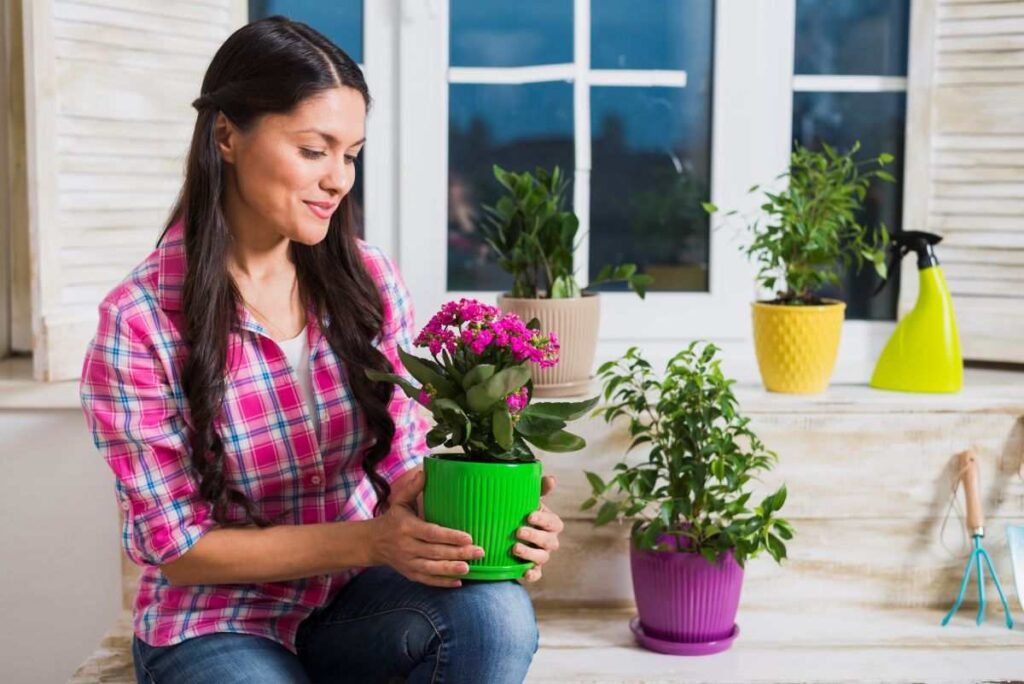
It is crucial to choose the right plant for your indoor gardening. While choosing plants, you should consider the following factors such as the availability of your space, light, and humidity.
You should choose plants that are low maintenance and easy to take care of. You must practice some thorough research on the plant’s light, water, and nutrition needs.
Moreover, you must consider whether the plant contributes to better air quality and overall well-being. Some indoor plants are low-maintenance and provide all the benefits. Think about Snake plants, Zebra plants, and more.
2. Get the Soil Right
Most gardeners do the wrong thing by getting the dirt from outside into their plant containers. Just avoid it, by bringing the dirt, you could be bringing the microscopic pests and diseases.
This may damage your plant’s growth. Regular dirt may disrupt your plant’s root development.
You must consider bringing some lightweight, sterile potting mix. If you are getting confused about where to get in, you can order online. A potting mix enables your plant roots to grow deep and strong.
3. Choose The Right Containers For Your Plants
It is an important fact to know before stepping inside indoor gardening that you must take a larger container. The container must be large enough so that the roots can have ample space to grow.
If you want to produce some fresh veggies like spinach, lettuce, and kale, 5 inches of soil deep containers are necessary. For small vine plants like peas, cucumbers, and peepers, 7-inch soil deep containers are beneficial.
The width and depth of the pot must be adequate for the plant’s needs. Also, while choosing the containers, you must consider the metal of the pot, because it matters.
For example, plastic pots can hold water much longer than others, so they provide more humidity to plants. You can look for some more adaptable plants like Evergreen plants, Aloe Vera, etc.
4. Maintain a Stable Environment
One of the most beneficial aspects of indoor gardening is that you can control various factors that you can’t in outdoor gardening.
While initiating indoor growing, you can create a stable environment for your plants. You can provide a consistent temperature, light, humidity, air circulation, etc.
When growing outside, you can’t control these factors because they are beyond human control. So, by maintaining a stable environment, you can ensure healthy growth for your plants.
5. Pest Protection/Disease
Protecting your indoor plants from certain diseases is one of the most important indoor gardening tips.
In indoor gardening, you are closer to your plants than in outdoor gardening, aren’t you? So, in this case, it is easier to recognise any plant disease.
You can use effective pesticides and fertilisers to protect your plants from any disease. It is important to identify any symptoms of your plants and look for the right solution immediately.
If you couldn’t give immediate attention to the plants, you can consider having some disease-resistant plants, such as Ponytail Palm, Cost Iron Plant, and more.
6. Let in Light and Keep Plants Clean
You must always keep your leafy plants clean to accommodate low light levels. Dirt on the plants cuts down the required light levels for photosynthesis.
If photosynthesis slows down, the plants become weaker. To keep your plants clean, you can follow these tips.
You can use a rag and, with warm water, you can clean the entire plant. Otherwise, you can put the whole plant under a shower.
Thus, you can remove any pests, such as bugs, spider mites, from your plant. Then, remove the brown and dead leaves to prevent any disease.
You can keep your windows open so that light, sunshine, and heat can enter your room. You should keep your plants around so that they can get enough sunlight and heat.
Letting the sunlight in and keeping your plants clean is another useful indoor gardening tip.
7. Get to Know Plants’ Needs
You should have enough knowledge about what your plants need. Every plant has different requirements for water, soil, and lighting.
So, you must research the plants that you are planning to grow inside your home. You must gather knowledge regarding their exact requirement on various factors for ideal growth.
Indeed, every plant’s necessity is the same, but there are some differences regarding the quantities. You can get more information about certain plants on the internet for vast knowledge.
If you are busy enough, you can opt for some low-maintenance plants such as Dumb Cane, ZZ Plant, etc.
Wrapping It Up
Indoor gardening is a pleasing endeavour that brings greenery into your home space. It has several mental and physical health advantages and promotes well-being.
So, here are some effective indoor gardening tips for the plant-lovers who are planning to grow plants at home.
If you follow all the above-mentioned points, you can grow some healthy indoor plants. Create a thriving indoor garden that enriches your lifestyle and elevates your space at home!